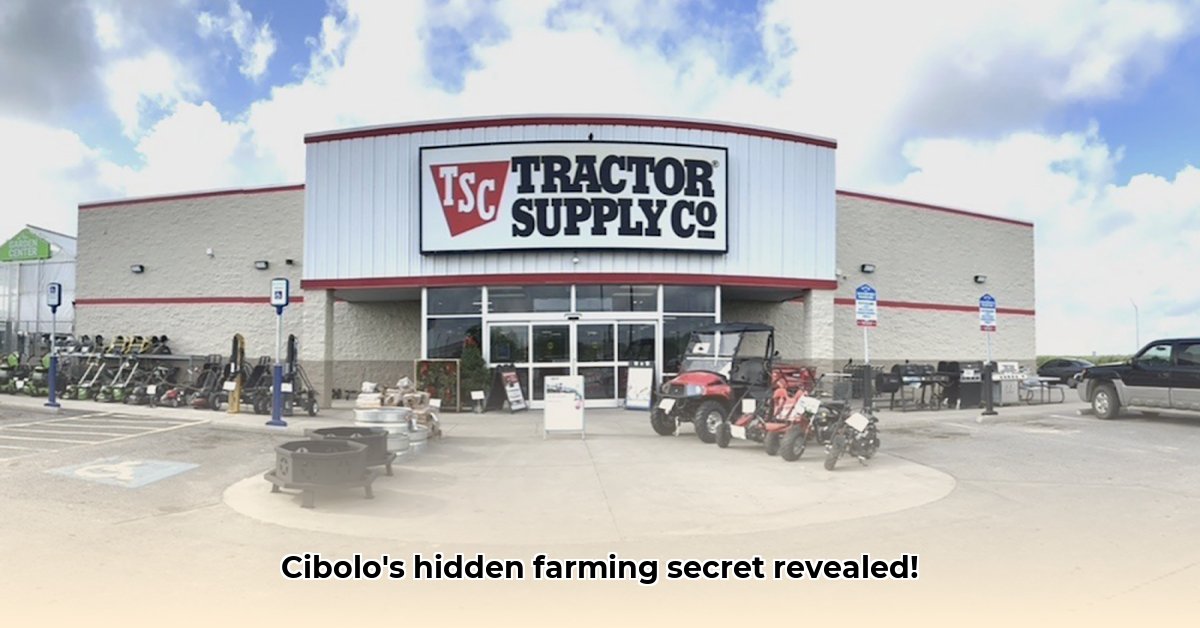
Tractor Supply Company (TSC) in Cibolo, Texas, is more than just a retail store; it's a vital resource for individuals and businesses pursuing sustainable agricultural practices. This article explores TSC's significant, albeit indirect, contribution to a greener Cibolo, highlighting its strengths, limitations, and opportunities for future growth. For similar resources elsewhere, check out this other TSC location.
A Local Hub for Sustainable Growers
TSC Cibolo acts as a one-stop shop for everything from seeds and tools to animal feed and fencing. This readily available selection empowers both small-scale farmers and home gardeners committed to sustainable practices. Need heirloom tomato seeds for your backyard garden? Looking for a durable, energy-efficient tiller? Or maybe you need organic feed for your flock of chickens? You'll likely find it all at TSC, eliminating the need for a multi-stop shopping spree. This convenience significantly bolsters local food production and supports a more self-sufficient community. Isn't easy access to resources a cornerstone of successful sustainable farming?
The Ripple Effect: Fostering a Greener Community
Beyond individual purchases, TSC Cibolo plays a wider role in fostering a greener Cibolo. The store's accessibility empowers local food production, contributing to a more resilient and sustainable food system. Imagine the numerous backyard gardens flourishing with locally-sourced produce, thanks to TSC's readily available supplies. This decentralized production reduces reliance on large-scale, often environmentally intensive, farming operations, and decreases the carbon footprint associated with long-distance food transportation. How significant is this contribution to Cibolo's overall sustainability efforts? It's a substantial, largely unquantified, yet impactful contribution.
Addressing Challenges: Areas for Improvement
While TSC offers numerous products supporting sustainable practices, it's crucial to acknowledge certain limitations. Some products, such as chemical fertilizers and pesticides, can have negative environmental consequences if not used responsibly. Although TSC doesn't explicitly promote sustainability as a core marketing strategy, the potential for responsible use and education remains high. To maximize its positive impact, TSC Cibolo could further integrate sustainable practices into its operations.
Collaborative Steps Toward a Greener Future
To further enhance its contribution to sustainable agriculture, TSC Cibolo could implement several key improvements:
Targeted Customer Surveys: Conducting regular surveys to identify community needs and preferences allows TSC to better tailor its product offerings to the specific demands for sustainable farming supplies. This data-driven approach ensures that the store prioritizes stocking items that directly support environmentally conscious practices.
Educational Partnerships: Collaboration with local agricultural experts, university extension programs, or master gardeners could yield valuable educational workshops and resources. These initiatives would equip customers with the knowledge needed for optimizing the responsible use of TSC products and minimizing potential environmental impacts.
Expanding Sustainable Product Lines: Progressively increasing the availability of organic seeds, natural pest control options, and other eco-friendly farming supplies would directly support customers’ environmentally conscious efforts. This would also promote more sustainable farming practices throughout the community.
Community Engagement: Actively participating in and supporting local initiatives promoting sustainable agriculture, such as farmers' markets or community gardens, strengthens community ties and enhances the collective effort towards a more environmentally conscious future. This could involve sponsorships, discounts, or even organizing collaborative events.
Conclusion: A Collaborative Path Forward
Tractor Supply Cibolo occupies a critical position within the local agricultural landscape. While its primary focus isn't solely on sustainability, its significant role in providing accessible resources directly supports local efforts towards environmentally conscious food production. Through collaboration between TSC, its customers, and community organizations, Cibolo can build a stronger, more resilient, and environmentally responsible agricultural community—one seed, one tool, and one responsible purchase at a time. The combined efforts of informed consumers, a supportive retailer, and a collaborative community hold the key to a greener future for Cibolo. What proactive steps can you take today to support this vision?